Invasive Cardiovascular Technologists are key players within cardiac catheterization labs. These technologists work alongside doctors, cardiologists, and nurses. They not only assist in specialized procedures for the heart and arteries, but also ensure the optimal setup and operation of sophisticated equipment. Working in sterile environments, these technologists are trained in patient imaging, equipment troubleshooting, and maintaining radiation safety. Their expertise encompasses a deep understanding of human anatomy, the nuances of interventional supplies, and the intricacies of equipment operation. Beyond routine procedures, they are also trained to handle emergent situations, often necessitating flexible schedules or on-call responsibilities.
Program Hours: 1630 Hours
Program Length: 72 Weeks
Credits Awarded: 97 Quarter
Delivery Method: Blended
Credential: Associate of Applied Science Degree
Our new program has launched in 2023 and our graduates have successfully began their professional medical careers at local hospitals. We are committed to providing high-quality outcomes. The SUI faculty will closely monitor the invasive cardiac program to exceed expectations and performance metrics. These results be available soon, please reach out with any questions or concerns.
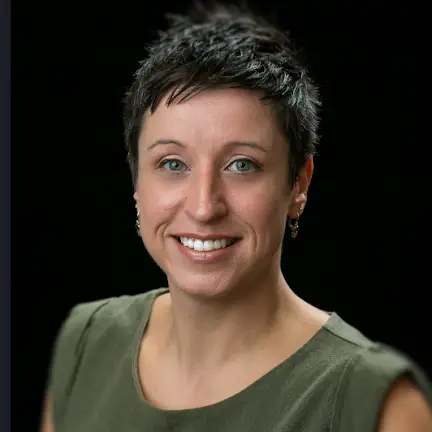
Dear Aspiring Technologists,
I’m Lee Ann Johnson, honored to serve as the Program Director for the Invasive Cardiovascular Technology Program at SUI. As you embark on this transformative journey into the intricate world of cardiovascular care, I warmly welcome you to our community of dedicated learners and medical professionals.
Invasive Cardiovascular Technology is not just about mastering equipment and techniques, it is about understanding the hearts’ profound intricacies, and playing a pivotal role in patient care.
I invite you to join us in this endeavor. Every heartbeat you monitor, every procedure you assist with will make a profound difference. Together, let us illuminate the path to excellence in invasive cardiovascular care.
The student receives seven hundred seventy (770) hours of didactic training and eight hundred ten (810) hours of clinical education allowing them to apply the lecture topics to practical use. The curriculum provides students with the technical, clinical, and interpersonal skills necessary to succeed in this field. In addition, the program prepares students to take the Registered Cardiovascular Invasive Specialist (RCIS) certification offered by the Cardiovascular Credentialing International (CCI). Upon completion of the program, an Associate of Applied Science is awarded. Normal completion time for this program is 72 weeks.
The program’s mission is to nurture and cultivate the next generation of skilled cardiovascular technologists. We strive to provide a supportive and engaging hybrid learning environment that fosters both personal and professional growth. Our program is built on the foundations of ethical practice, technological proficiency, and compassionate patient care. We ensure our graduates will be prepared to make meaningful contributions to the healthcare industry.
At the conclusion of the program, students will be able to:
ICVT Program Admission Requirements
The Invasive Cardiovascular Technology program does not require any prerequisite courses or post-secondary education. The only education verification required is proof of high school completion and the General Admissions requirements listed below. However, completed post-secondary coursework may be submitted during an open application window and evaluated for transfer credit if an applicant is admitted to the program. For details on transfer credit requirements, please visit our Transfer Credit Guide.
General Admissions Requirements
Please Note:
To determine if your course meets our transfer credit requirements, please click here to review our Transfer Credit Guidelines. For program start dates and application windows, visit our Admissions page. To begin your application process, you can watch a recorded webinar or register for a live info session.
Financial aid is available for those who qualify. Click here for more information about Financial Assistance. For details please call: 916-877-7977.
Sacramento Ultrasound Institute's Cardiac Sonography program is programmatically accredited by The Commission on Accreditation of Allied Health Education Programs (CAAHEP) upon the recommendation of The Joint Review Committee on Education in Cardiovascular Technology Sonography (JRC-CVT). JRC-CVT contact information:
Email: [email protected],
Phone: 413-628-5228
Graduates of Sacramento Ultrasound Institute’s Invasive Cardiovascular Technology (ICVT) program are eligible to pursue the Registered Cardiovascular Invasive Specialist (RCIS) credential through Cardiovascular Credentialing International (CCI).
Eligibility for RCIS Certification
The RCIS exam is designed for professionals working in cardiac catheterization labs and other invasive cardiovascular settings.
To qualify, applicants must:
For more information about the RCIS Registry, visit https://cci-online.org/
Career opportunities for cardiovascular technologists and technicians are projected to grow by 3% from 2024 to 2034, which is about as fast as the average for all occupations.
Currently, there are an average of 3,800 job openings for cardiovascular technologists and technicians each year. Many of these openings are expected to result from experienced medical professionals retiring or leaving the workforce, creating steady opportunities for new graduates.
The median annual wage for cardiovascular technologists and technicians was $67,260 in May 2024. The lowest 10% earned around $40,990, while the highest 10% earned more than $104,210.
For more information, visit the U.S. Bureau of Labor Statistics (BLS) website.
Your journey with us doesn’t end with graduation. Our career services team is committed to supporting your transition from student to medical professional. SUI will host resume-building opportunities and assist with interview preparation. We will provide guidance and resources to help you embark on a successful career path.